Thinking about entering your first personal watercraft (PWC) race? Whether you’re interested in closed-course competition, offshore racing, or recreational race events, getting started is easier than many riders think.
Success on race day isn’t just about horsepower. Proper safety equipment, rider preparation, and a well-maintained watercraft are the foundation of every successful racing season.
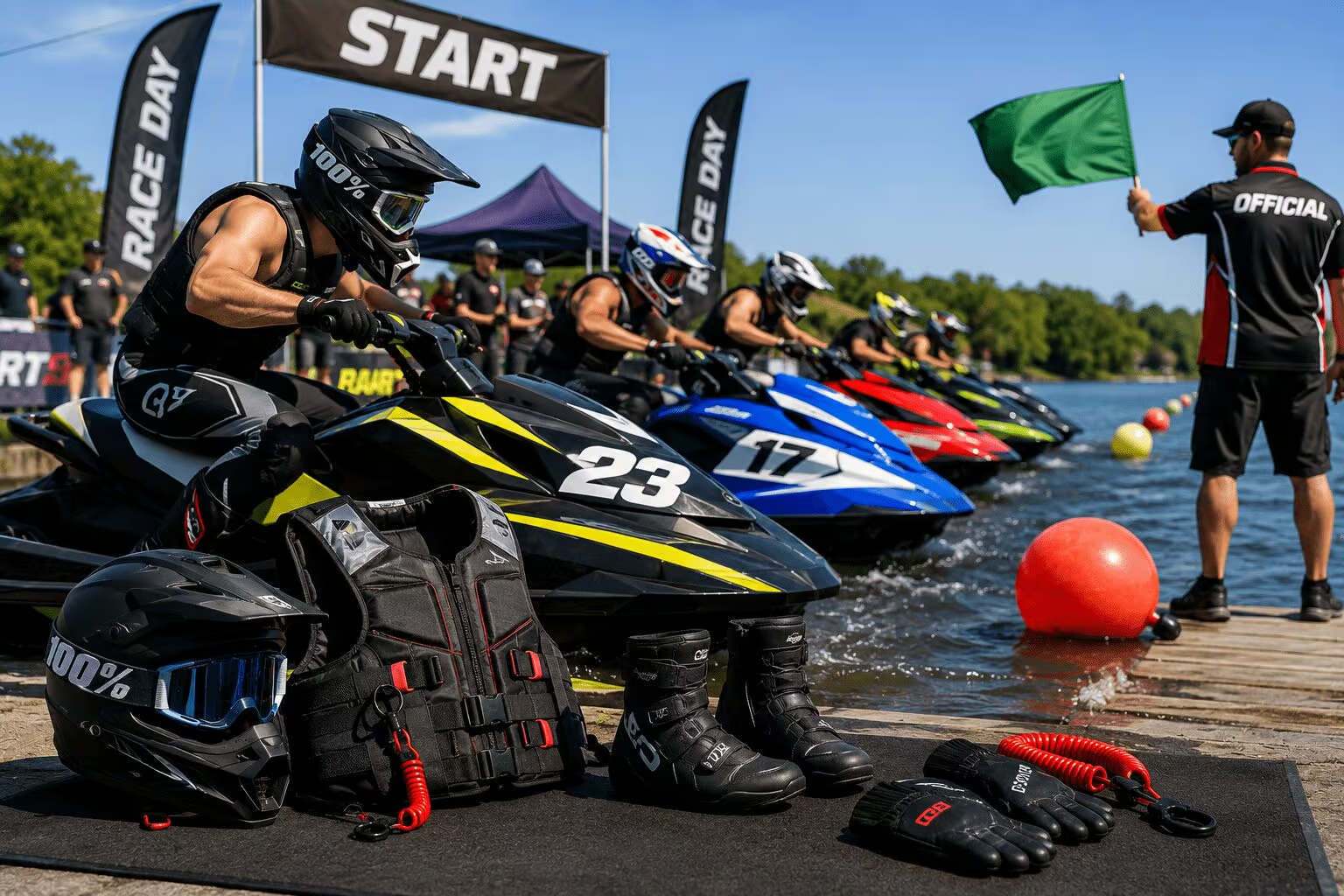
Here are five essentials every new racer should have before lining up at the starting line.
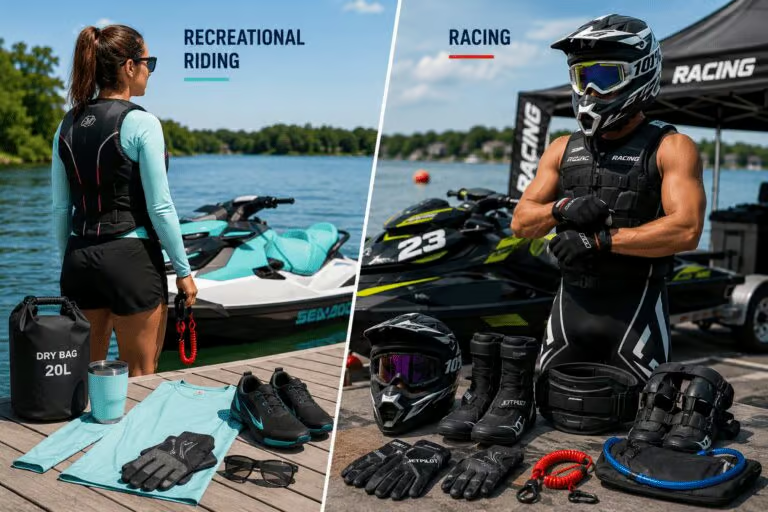
1. Wear Proper Safety Gear
Safety should always come first.
Before entering any sanctioned event, invest in quality protective equipment designed specifically for personal watercraft racing.
Essential gear includes:
- U.S. Coast Guard-approved life vest (or race-approved flotation vest where required)
- PWC helmet
- Riding goggles
- Gloves
- Riding shoes or boots
- Wetsuit or protective riding gear
- Back support or kidney belt (required by many organizations)
Properly fitted safety equipment not only protects you during a crash but also reduces fatigue during longer rides and races.
2. Prepare a Race-Ready Watercraft
Your personal watercraft doesn’t need to be heavily modified to begin racing.
Many organizations offer beginner or stock classes specifically designed for first-time competitors.
Before your first event, inspect your PWC for:
- Proper steering operation
- Reliable throttle response
- Secure battery
- Functional safety lanyard
- Tow loop (if required)
- Leak-free hull
- Fresh maintenance items
A dependable, well-maintained watercraft is far more valuable than one with extensive performance modifications but questionable reliability.
3. Install Quality Handling Upgrades
Once you’re comfortable with your stock machine, handling improvements are often the best first upgrades.
Unlike horsepower modifications, handling components make the watercraft easier to control while improving rider confidence.
Popular upgrades include:
- Ride plates
- Intake grates
- Sponsons
- Steering systems
- Performance handlebars
- Traction mats
Better handling allows riders to carry more speed through turns while maintaining greater stability in rough water.
4. Practice Before Race Day
Nothing replaces seat time.
Spend time practicing:
- Starts
- Cornering
- Braking and deceleration
- Throttle control
- Riding in rough water
- Endurance sessions
Practice in different water conditions whenever possible. Learning how your watercraft behaves in chop, boat wakes, and changing weather conditions will make you a more confident and consistent racer.
Recording your practice sessions can also help identify areas for improvement.
5. Find a Local Racing Organization
One of the best ways to improve is by competing with experienced riders.
Local racing organizations often offer:
- Beginner classes
- Rider instruction
- Technical inspections
- Safety guidance
- Supportive racing communities
Don’t wait until your watercraft is “perfect” before entering your first event. Many successful racers began with stock machines and learned through experience.
Your First Race Is Just the Beginning
Every accomplished racer started with a first event.
Focus on learning the rules, improving your riding technique, and gaining experience before chasing horsepower. Developing strong fundamentals will make future performance upgrades even more effective.
As your skills grow, handling improvements, engine modifications, and tuning can help unlock even greater performance from your personal watercraft.
At Calas Performance, we’re committed to helping riders build safer, faster, and more capable watercraft for every stage of their racing journey.