Keeping your personal watercraft (PWC) in top condition means more time on the water and fewer unexpected breakdowns. While regular maintenance prevents many problems, every Sea-Doo and Yamaha owner will eventually encounter an issue that requires troubleshooting.
The good news is that many common PWC problems can be identified before they become major repairs. Understanding the symptoms can help you determine whether the issue is something you can address yourself or if professional service is required.
Battery Problems
One of the most common reasons a PWC won’t start is a weak or discharged battery.
Unlike automobiles, many personal watercraft spend months in storage during the off-season. Batteries naturally lose charge over time, and cold temperatures accelerate the process. By spring, a battery that seemed fine when the ski was stored may no longer have enough power to crank the engine.
Signs of battery issues include:
- Engine cranks slowly
- Clicking when pressing the start button
- No electrical power
- Display flickers or resets during starting
To maximize battery life:
- Store the battery indoors when possible.
- Use a quality battery maintainer during long-term storage.
- Clean battery terminals regularly.
- Test battery voltage before the riding season.
If the battery cannot maintain a charge after being fully charged, replacement is typically the best solution.
Fuel System Problems
Fuel issues are another common cause of poor performance and hard starting.
Over time, fuel lines can deteriorate internally, especially on older models. Small particles from deteriorating hoses may clog injectors, fuel filters, or carburetors, resulting in poor engine performance or starting problems.
Common symptoms include:
- Hard starting
- Hesitation under acceleration
- Rough idle
- Engine stumbling
- Loss of top-end power
Using fresh fuel, replacing filters at recommended intervals, and inspecting fuel lines regularly can prevent expensive repairs.
Crankshaft Problems
The crankshaft is one of the most critical internal engine components. While crankshaft failures are relatively uncommon, they can occur if an engine experiences:
- Water intrusion
- Oil starvation
- Bearing failure
- Corrosion during storage
- Internal engine damage
Possible symptoms include:
- Engine will not rotate
- Loud knocking noises
- Excessive vibration
- Low compression
- Metal particles in engine oil
Because crankshaft diagnosis often requires engine disassembly, this is generally not considered a do-it-yourself repair.
Starter Relay Failure
If you hear a single click or heavy “thud” when pressing the start button but the engine does not crank, the starter relay may have failed.
Starter relays wear over time due to repeated high-current switching.
Common symptoms include:
- Single click when starting
- No starter engagement
- Battery tests good
- Lights remain bright while attempting to start
Fortunately, starter relays are relatively inexpensive and are often one of the easier electrical components to replace after proper diagnosis.
When to Repair vs. Replace Parts
Not every starting or performance problem requires major repairs.
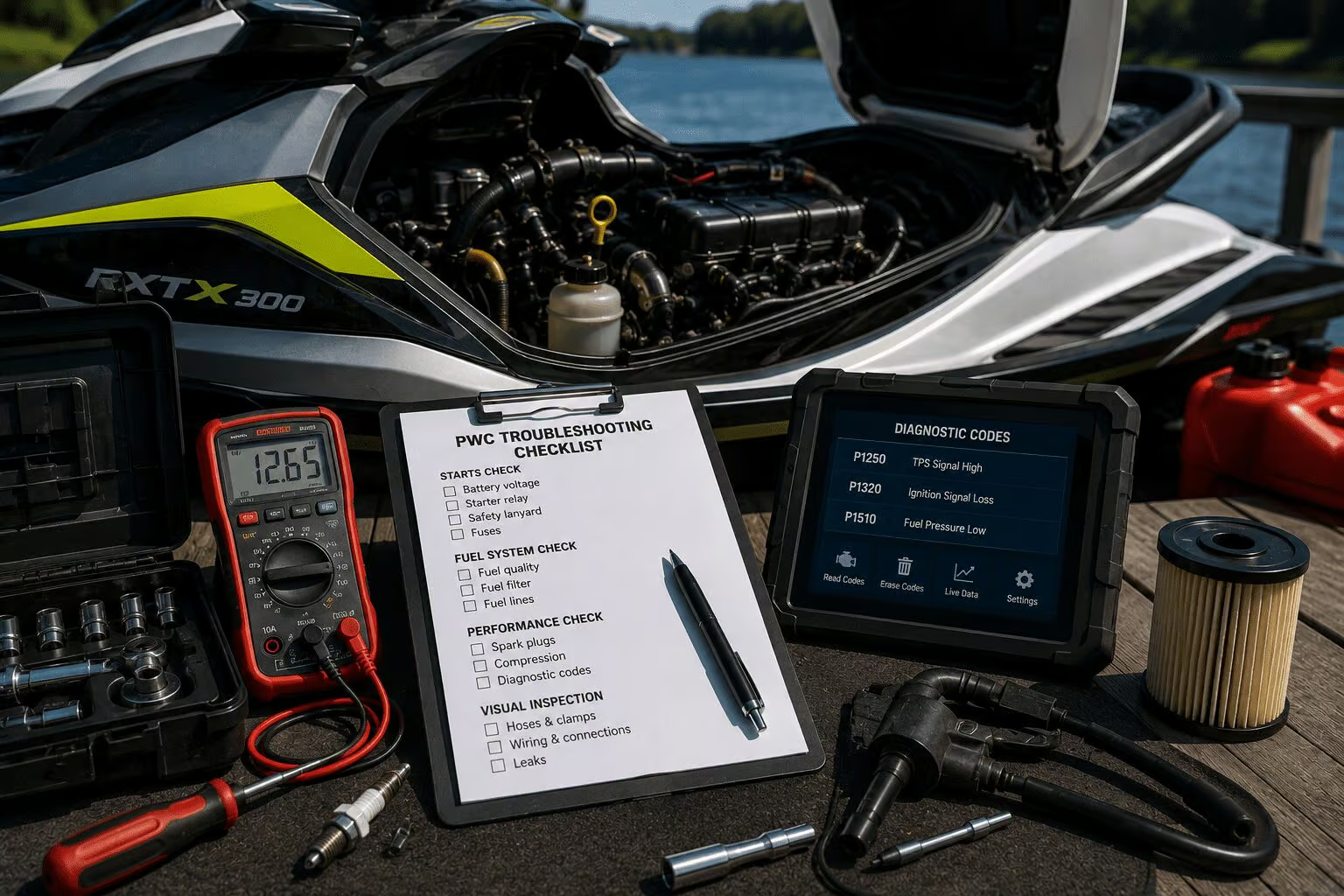
Begin with the basics:
- Verify battery voltage.
- Inspect battery connections.
- Check fuel quality.
- Look for damaged hoses or wiring.
- Scan for diagnostic trouble codes on EFI models.
Modern Yamaha and Sea-Doo models store fault codes that can significantly reduce diagnostic time when read with the proper diagnostic tools.
If the problem involves internal engine components, compression loss, or repeated fault codes, professional diagnosis is recommended before replacing parts unnecessarily.
Keep Your PWC Ready for Every Ride
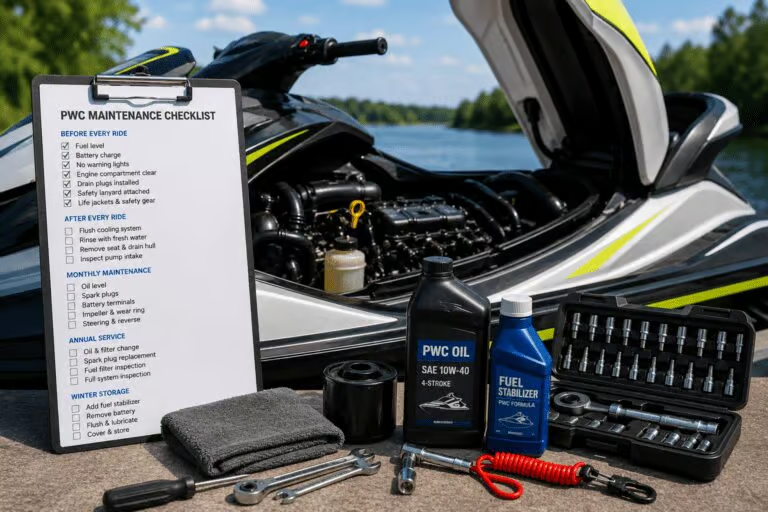
Routine maintenance remains the best way to avoid unexpected repairs. Regular inspections, proper winterization, fresh fuel, and timely replacement of wear items help keep your personal watercraft reliable throughout the riding season.
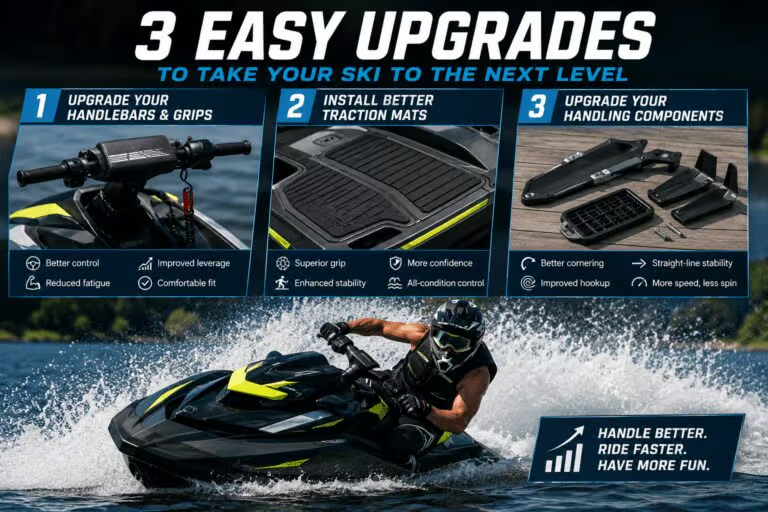
If you’re troubleshooting a problem or replacing components, Calas Performance offers quality performance and replacement parts for many popular Sea-Doo and Yamaha platforms.