Whether you’re riding for fun, exploring new waterways, or preparing for your first race, improving your riding technique can make every ride faster, safer, and more enjoyable.
Better riding isn’t just about adding horsepower. Proper body position, throttle control, practice, and continuous learning all contribute to greater confidence and control on the water.
Here are four proven ways to become a better personal watercraft rider.
1. Learn from Experienced Riders
One of the fastest ways to improve is by studying riders who already have years of experience.
Watch onboard videos, race footage, riding tutorials, and instructional content to observe:
- Body positioning
- Cornering techniques
- Throttle control
- Line selection
- Starts
- Weight transfer
Pay attention to the small details. Even subtle adjustments in body position or throttle application can significantly improve your control and confidence.
Don’t simply copy another rider’s style. Instead, understand why experienced riders make certain movements and adapt those techniques to your own riding style and skill level.
2. Improve Your Riding Position
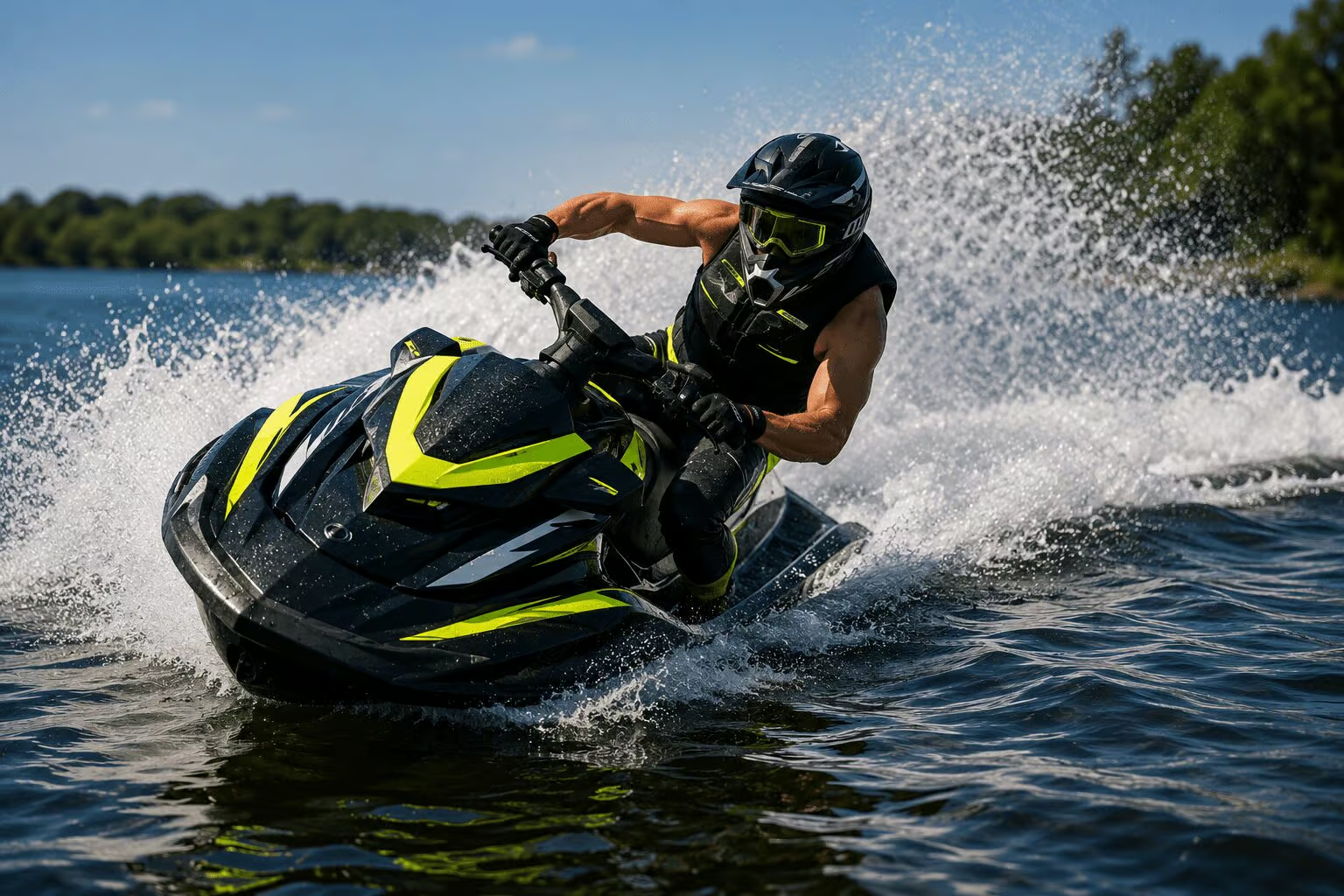
Your body position has a major impact on stability, endurance, and handling.
A strong riding position includes:
- Bent knees to absorb rough water
- Bent elbows for improved control
- Weight centered over the watercraft
- Relaxed grip on the handlebars
- Eyes looking ahead instead of directly in front of the ski
Many newer riders lock their knees and straighten their arms, causing unnecessary fatigue while reducing their ability to absorb waves and maintain control.
Instead, allow your legs to act as suspension. Keeping your body loose helps the watercraft move naturally beneath you while maintaining balance through rough water and aggressive turns.
3. Analyze Your Riding
Every ride is an opportunity to improve.
Consider recording your rides with an action camera or having a friend film you from shore.
Review areas such as:
- Corner entry speed
- Throttle timing
- Body position
- Line selection
- Stability through chop
- Overall consistency
Many riders reach a plateau because they stop evaluating their technique. The best riders continually refine their skills by identifying small improvements over time.
If more experienced riders offer constructive feedback, keep an open mind. Small adjustments often produce significant gains in both speed and confidence.
4. Practice with Purpose
Time on the water matters, but purposeful practice produces better results than simply logging hours.
Challenge yourself by practicing in different conditions, including:
- Calm water
- Moderate chop
- Boat wakes
- Windy conditions
- Tight turning drills
- Emergency stopping
If you’re interested in racing, dedicate time to practicing starts, reaction time, corner exits, and maintaining consistent lap times.
Endurance is equally important. Riding longer sessions safely helps build the physical conditioning needed to maintain proper technique throughout an entire ride or race.
Progress Comes from Consistency
Every experienced rider started as a beginner.
Developing better technique takes time, patience, and repetition. Focus on improving one skill at a time rather than trying to change everything at once.
As your confidence grows, you’ll become smoother, faster, and more comfortable in a wider variety of water conditions.
Whether you’re riding recreationally or chasing peak performance, combining solid riding fundamentals with a properly maintained and well-tuned personal watercraft will help you get the most out of every ride.
At Calas Performance, we’re passionate about helping riders maximize both their equipment and their skills so they can enjoy every minute on the water.