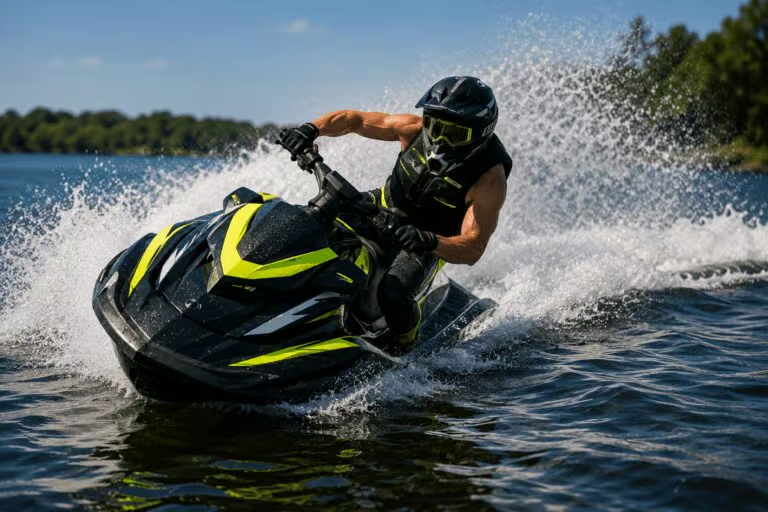
The gear you wear on a personal watercraft can have a significant impact on your comfort, confidence, and safety.
While recreational riders and racers share many of the same essentials, competitive riding demands additional protective equipment designed to withstand higher speeds, rougher water, and more aggressive riding conditions.
Whether you’re spending a relaxing afternoon on the lake or preparing for your first race weekend, here’s what you should know before gearing up.
Essential Gear for Every Rider
No matter your experience level, every PWC rider should begin with the basics.
U.S. Coast Guard-Approved Life Jacket
A properly fitted life jacket is the single most important piece of safety equipment you’ll own.
Look for one that:
- Fits snugly without restricting movement
- Is designed for personal watercraft use
- Allows full mobility while riding
- Meets all local safety requirements
Many performance-oriented life jackets are specifically designed to provide additional support while remaining comfortable during long rides.
Safety Lanyard
Always attach your engine safety lanyard before leaving the dock.
If you’re separated from the watercraft, the lanyard immediately shuts off the engine, helping prevent runaway watercraft and reducing the risk of injury.
Eye Protection
Wind, spray, insects, and floating debris can quickly make riding uncomfortable.
Protective eyewear or riding goggles improve visibility while reducing eye fatigue during long rides.
Many experienced riders wear goggles year-round—not just while racing.
Footwear
Bare feet may be comfortable around the dock, but they’re rarely ideal once you’re off the trailer.
Quality water shoes or PWC riding boots provide:
- Better traction
- Protection from rocks and debris
- Improved footing during aggressive riding
- Greater comfort when launching or beaching your watercraft
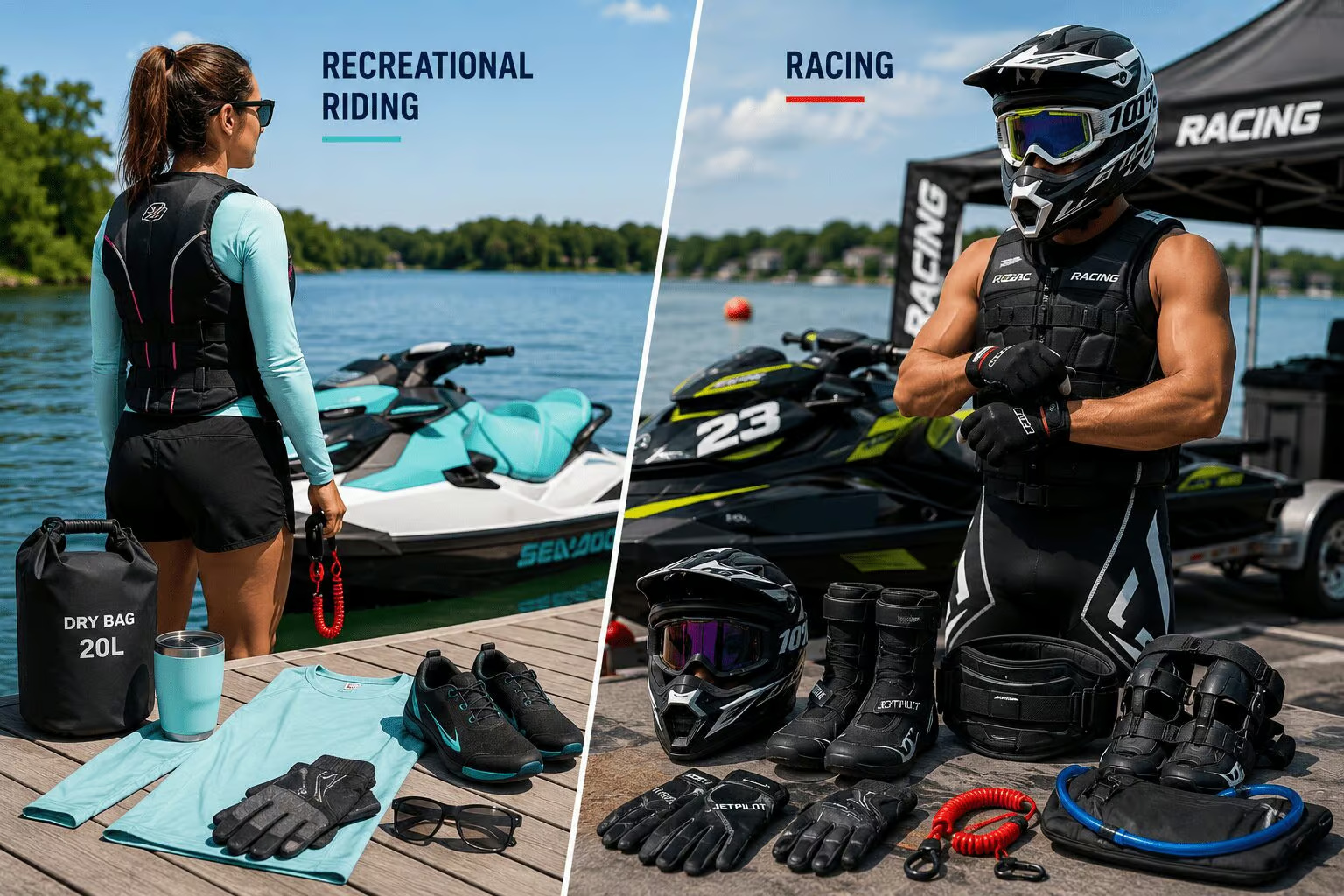
Additional Gear for Recreational Riders
For recreational riding, comfort is often the priority.
Depending on water temperature and riding style, many riders also choose:
- UV-protective shirts
- Neoprene shorts
- Wetsuits
- Riding gloves
- Waterproof communication devices
- Dry bags for personal belongings
The goal is staying comfortable so you can spend more time enjoying the water.
Additional Gear for Racing
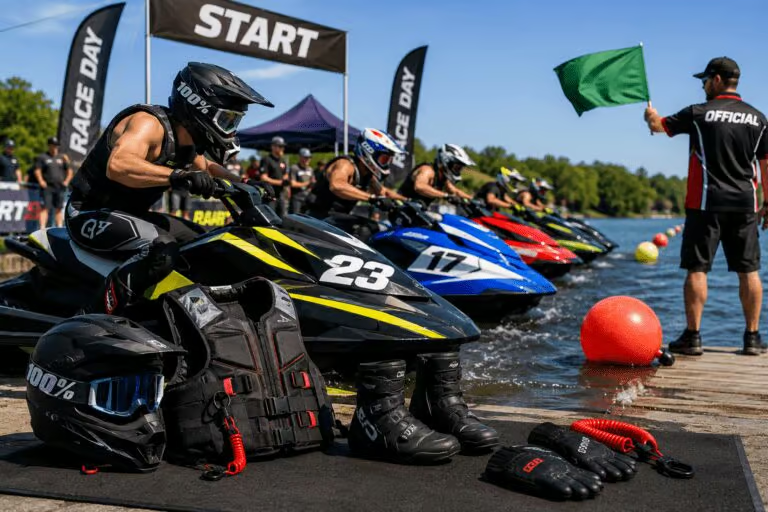
Racing places much greater demands on both the rider and equipment.
Most racing organizations require additional safety gear such as:
- Racing helmet
- Competition-approved flotation vest
- Gloves
- Riding boots
- Wetsuit
- Back support or kidney belt
- Neck protection (for some classes)
Many racers also use:
- Knee braces
- Shin guards
- Spare safety lanyards
- Anti-fog goggles
- Hydration packs for endurance events
Requirements vary depending on the sanctioning body and race class, so always review the event rules before competing.
Comfort Improves Performance
Even for recreational riders, properly fitted gear can reduce fatigue during longer rides.
Supportive gloves, quality boots, and a well-fitting life vest allow you to ride longer while maintaining better control of your watercraft.
If you’re training for competition, practicing in the same equipment you’ll wear on race day helps ensure everything fits comfortably and performs as expected.
Build Your Gear Kit Over Time
You don’t need to purchase every accessory on your first day of riding.
Start with the essentials:
- Life jacket
- Safety lanyard
- Eye protection
- Proper footwear
As your riding skills progress, you can gradually add specialized gear based on your riding style, local conditions, and performance goals.
Investing in quality equipment not only improves comfort—it also helps you ride more safely and confidently every time you launch.
At Calas Performance, we believe the best riding experience begins with the right combination of rider skill, quality equipment, and a properly maintained personal watercraft.